
Club purchase that comes with rules of etiquette nyt
Your online activities leave a digital footprint that can be difficult to erase. Information and content shared online may be stored, archived, or shared by others, even if you delete it later https://slwebsitedesign.com/. Being cautious about what you share helps maintain control over your digital presence. What you put online is permanent and can be used against you.
If someone is offended by something you’ve posted or by a comment you’ve made, and you can sense things may become heated, Halbert has a simple netiquette rule: Take it offline. “I would call my friend up and say, Hey, dude, what’s going on?” he says. When responding to a negative comment, rather than having a drawn-out fight on social media for the whole world to see, Halbert recommends trying to “resolve the issue as solidly as possible.” And to do that, he says, it’s better to pick up the phone.
Continue to make real people a priority while in public places such as restaurants, public transit, stores, elevators, and libraries. You can do this by not having phone conversations when in these shared spaces, as well as by silencing your audible notifications.
Still, many internet users follow a kind of social code when they’re engaging with others online—on social media, via email, in comments or forums, or while working remotely. That social code is known as netiquette.
And if you think that fake online information is more the exception than the rule, think again. Research indicates that Facebook users alone engage with some form of misinformation around 70 million times each month.
Rules of golf etiquette
Rather than always strictly adhering to the standard of allowing the golfer farthest from the hole to play first, amateurs should agree that the player who’s ready to hit should be the next to play, regardless of their position on the course relative to other players.
But in addition to this faithfulness to the rules that golfers have always demonstrated, golf also demands of its participants that they behave in a certain way on the golf course, in accordance with a certain unwritten code of conduct known as golf etiquette.
© 2025 EB Golf Media LLC. An 8AM Golf Affiliated Brand. All Rights Reserved. All of our market picks are independently selected and curated by the editorial team. If you buy a linked product, GOLF.COM may earn a fee. Pricing may vary.
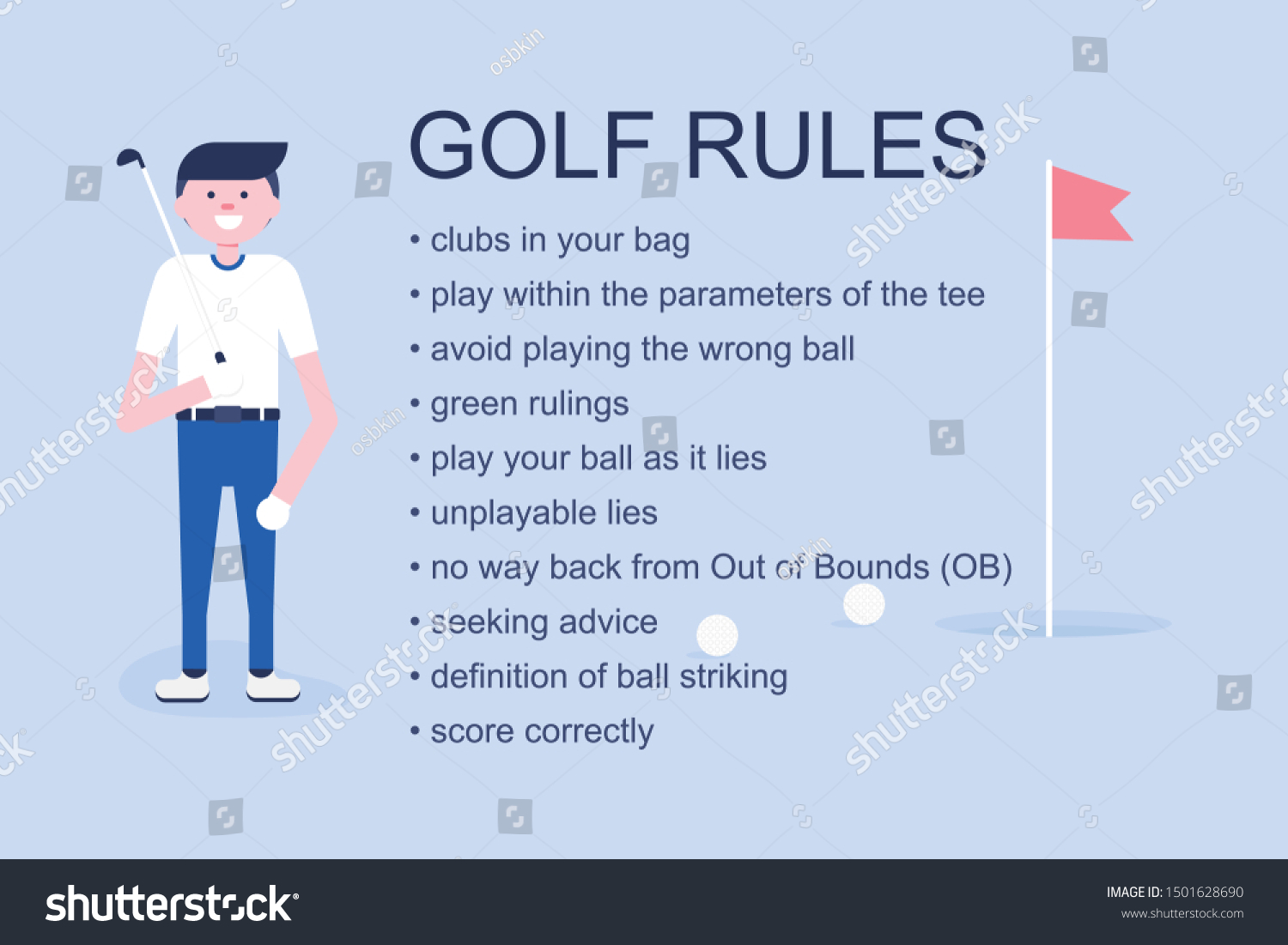
Rather than always strictly adhering to the standard of allowing the golfer farthest from the hole to play first, amateurs should agree that the player who’s ready to hit should be the next to play, regardless of their position on the course relative to other players.
But in addition to this faithfulness to the rules that golfers have always demonstrated, golf also demands of its participants that they behave in a certain way on the golf course, in accordance with a certain unwritten code of conduct known as golf etiquette.
5 rules of golf etiquette
Just because you like leaving the pin in for your putts doesn’t mean your playing partners feel the same way. If you’re nearest the flag and your playing partner is away, still offer to tend the flag for him, no matter the distance. Don’t assume he wants it left in. This used to be golf etiquette 101, but it seems to be disappearing at a rapid rate.
Therefore, it is important to check with the golf shop before driving anywhere on the course and obey any signs indicating only cart path usage. If you have any questions, ask the starter for advice. It is also important to stick with the 90-degree rule whenever possible; this involves keeping the cart on paths perpendicular to the hole being played and leaving it at a spot where it doesn’t impede anyone else’s play.
The biggest faux pas in golf etiquette is talking while others are hitting. This can annoy fellow golfers and create an uncomfortable atmosphere on the course. Whenever someone stands over the ball, all other activities should halt so they can focus and hit the shot with as little distraction as possible. The smallest sound, like a twig breaking or the faintest whisper, can ruin players’ concentration and mess up their practice swings.

Just because you like leaving the pin in for your putts doesn’t mean your playing partners feel the same way. If you’re nearest the flag and your playing partner is away, still offer to tend the flag for him, no matter the distance. Don’t assume he wants it left in. This used to be golf etiquette 101, but it seems to be disappearing at a rapid rate.
Therefore, it is important to check with the golf shop before driving anywhere on the course and obey any signs indicating only cart path usage. If you have any questions, ask the starter for advice. It is also important to stick with the 90-degree rule whenever possible; this involves keeping the cart on paths perpendicular to the hole being played and leaving it at a spot where it doesn’t impede anyone else’s play.
The biggest faux pas in golf etiquette is talking while others are hitting. This can annoy fellow golfers and create an uncomfortable atmosphere on the course. Whenever someone stands over the ball, all other activities should halt so they can focus and hit the shot with as little distraction as possible. The smallest sound, like a twig breaking or the faintest whisper, can ruin players’ concentration and mess up their practice swings.